

Running a school is about much more than classrooms, lessons, and examinations. Every day, school administrators and teachers handle attendance, fee records, homework, admissions, parent queries, timetables, and many other responsibilities. When all these activities are managed separately, even simple tasks can take more time than expected.
A teacher may need to check several registers before sharing an update. The accounts team may spend hours tracking pending fees. Parents may have to call the school to ask about homework or important announcements.
These everyday challenges are one reason why more schools are exploring School ERP software to manage their operations in a simpler, more organized way.
What Is School ERP Software?
School ERP software is a digital platform that brings important academic and administrative activities together. Instead of maintaining separate records for different departments, schools can manage relevant information through one connected system.
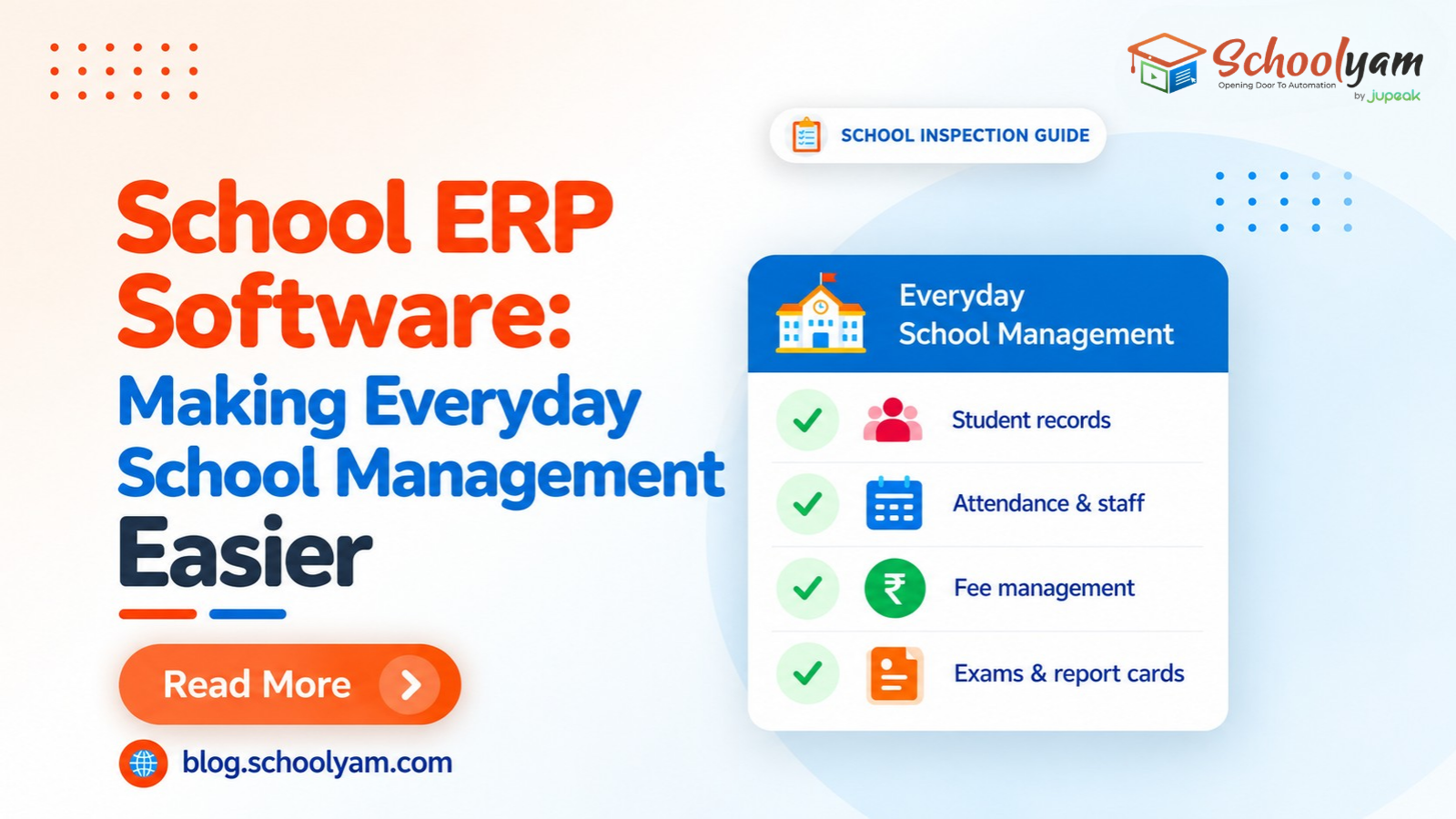
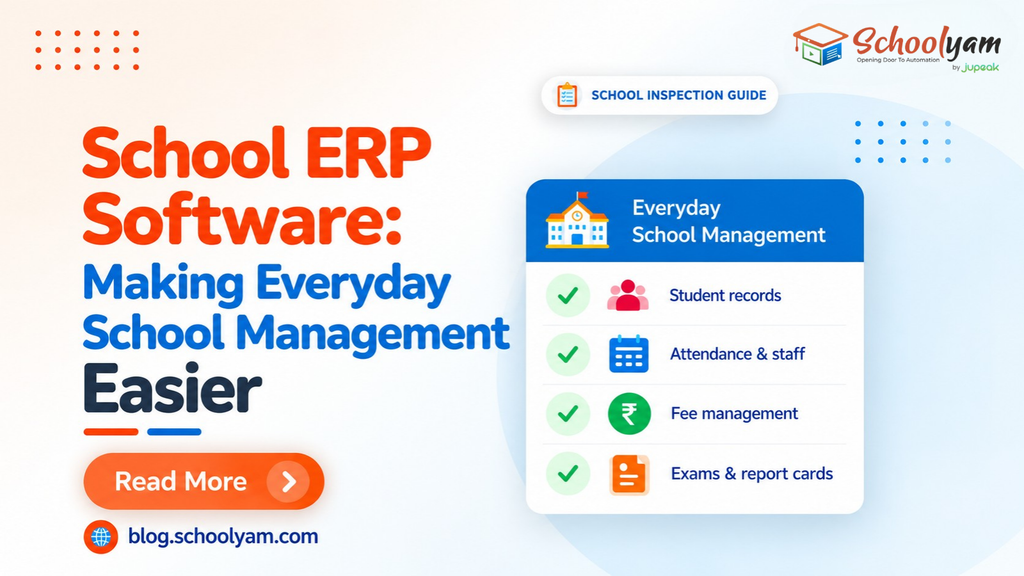
Depending on the software, this may include student records, admissions, attendance, fee management, examinations, homework, timetables, staff information, and parent communication.
The purpose is not to add more technology to a school’s routine. It is to make everyday work easier for the people who keep the school running.
Why Are Schools Moving Away from Manual Work?
Registers and spreadsheets may work for a small number of records, but managing information becomes more complicated as a school grows. Data has to be updated, reports need to be prepared, and the same information may be required by different departments.
A small delay in one process can affect another. For example, outdated student information can create confusion in reports, while missed fee reminders can lead to repeated follow-ups.
A suitable school management system helps organize these activities and gives authorized users easier access to the information they need.
How School ERP Software Helps in Daily School Operations
1. Student Information in One Place
Student details are used across admissions, attendance, examinations, and other school activities. Maintaining the same information in multiple places can create unnecessary work.
With a student management module, schools can organize student profiles and related records in a centralized system. Staff can access the information relevant to their responsibilities without searching through multiple registers.
2. Attendance Becomes Easier to Manage
Taking attendance is a regular part of every school day. Recording it manually and preparing summaries can take additional time, especially when information is needed across multiple classes.
Digital attendance tools help teachers record attendance and allow authorized staff to review records more conveniently. Depending on the system, schools may also be able to use mobile attendance and attendance reports.
This gives teachers and administrators more time to focus on their core responsibilities.
3. Fee Records Are Easier to Track
Fee management involves more than collecting payments. Schools also need to maintain payment records, issue receipts, monitor pending dues, and prepare collection reports.
School ERP software can help bring these activities into an organized workflow. The accounts team can review fee information more efficiently and identify pending payments without manually checking multiple records.
When reminder and communication features are available, schools can also make it easier to share payment updates with parents.
4. Homework and Academic Updates Reach Parents More Easily
Parents want to know what their children are learning and what they need to complete at home. However, information can sometimes get missed when updates are shared through different channels.
A school management system with homework and assignment features helps teachers organize and share academic tasks. Parents and students can access relevant updates through the channels supported by the school.
This can make it easier for families to stay connected with everyday learning activities.
5. Examinations and Report Cards Stay Organized
Examination periods often involve several tasks at once: preparing schedules, entering marks, checking records, and generating report cards.
A digital examination module can help schools manage these activities in a more structured way. It can reduce repetitive data handling and make academic information easier to organize.
Teachers and administrators can spend less time managing paperwork and more time reviewing student progress.
6. Better Communication Between School and Parents
Clear communication builds trust between schools and families. Parents need timely information about attendance, fee dues, homework, examinations, and school announcements.
School ERP platforms may offer communication tools that help schools share these updates through supported channels, including mobile apps or messaging integrations where available.
When information is easier to access, parents do not have to rely on repeated calls for every routine update.
Choosing the Right School ERP Software
Every school has different requirements. A system that works for one institution may not be the right fit for another.
Before choosing school ERP software, consider the tasks that take the most time at your school. Check whether the software supports the required modules, is easy for teachers and administrative staff to use, and provides the reports your management team needs.
It is also worth reviewing mobile accessibility, data security, staff training, technical support, pricing, and the process for moving existing records into the new system.
Requesting a demonstration can help you understand how the software fits your school’s actual day-to-day workflow.
How Schoolyam Can Help
Schoolyam, offered by Jupeak Solutions, is a school management software solution designed to support important school operations through digital tools. Depending on the school’s requirements and the modules selected, schools can explore capabilities related to student management, admissions, attendance, fees, examinations, homework, timetables, and communication.
The goal is to help schools organize routine activities, make information easier to manage, and reduce the effort involved in repetitive administrative work.
Before choosing any system, schools should review the available features and select the modules that suit their needs.
Make School Management More Organized
Teachers should have more time for teaching. Administrators should be able to find the information they need without unnecessary paperwork. Parents should have convenient ways to stay informed about their children’s school activities.
The right School ERP software can help bring these everyday needs together in a more organized way.
If your school is looking to simplify its administrative and academic processes, explore Schoolyam to learn more about its school management solutions.
Visit: https://schoolyam.com/
Contact the Jupeak Solutions team to discuss your school’s requirements and request a demonstration.
7080814044
School ERP Software: Making Everyday School Management Easier.